A micro market is not simply a vending machine without the cabinet. It is a small self-service retail area with open coolers, shelving and a checkout kiosk. That format can offer more fresh food and a more comfortable shopping experience. Traditional vending remains compact, secure and easy to understand. The right answer depends on the workplace rather than whichever option is newer.
Traditional vending wins on containment and simplicity
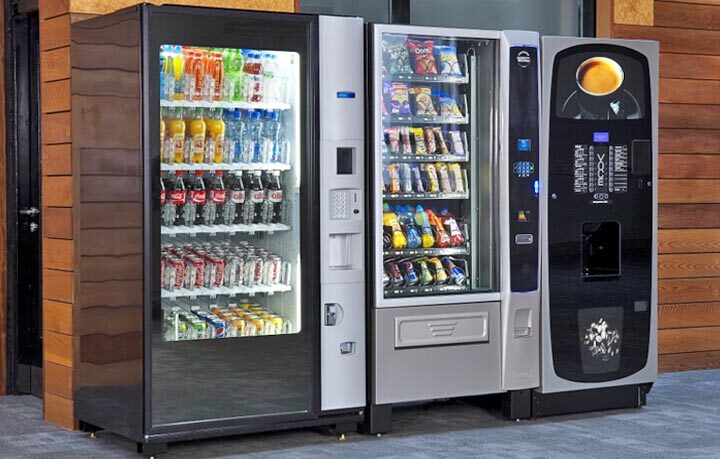
A vending machine controls access to every product and occupies a defined footprint. It works well in public or semi-public areas, smaller breakrooms and locations where theft or after-hours access needs tighter control. Snack and beverage machines can provide substantial variety without requiring employees to scan each item manually.
The tradeoff is presentation and capacity. Products must fit the machine, and fresh-food choices are more limited unless refrigerated food equipment is added. The customer also cannot pick up an item and read the package before purchasing.
Micro markets expand selection and change the experience
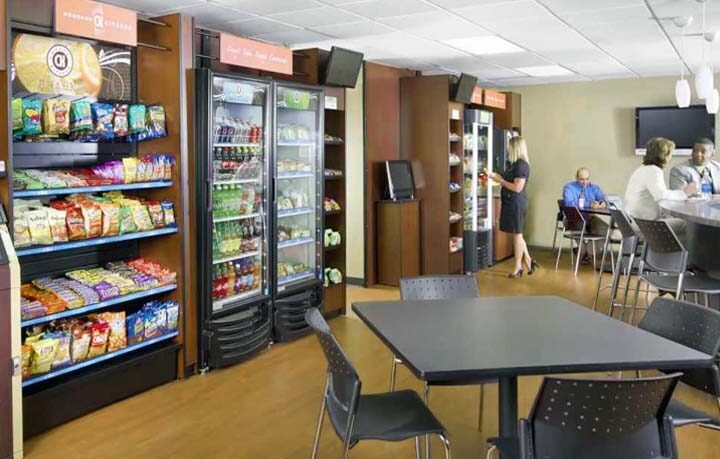
Open coolers can display sandwiches, salads, yogurt, drinks and other grab-and-go products alongside shelves of snacks. Employees can inspect labels and purchase several items in one transaction. The space feels more like a small convenience shop than a machine bank.
That openness brings planning requirements. The market needs a sensible traffic path, clear checkout instructions and an environment where self-checkout is appropriate. Cameras or other loss-prevention measures may be part of the design. Product rotation becomes especially important when fresh food is included.
Do not choose by headcount alone
Headcount is useful, but schedule and buying behavior determine whether a market has enough activity. A 24-hour distribution center with staggered breaks may support fresh-food turnover better than a larger hybrid office that is busy only three days a week. Nearby lunch options, break length and employer subsidies also influence use.
Ask the provider to explain the assumptions behind the recommendation. If projected sales require every employee to buy lunch daily, the plan may be too optimistic.
Space and utilities should be measured early
Traditional machines require delivery clearance, final operating clearance, power and room for doors to open during service. Micro markets need coolers, shelving, kiosk space and enough aisle room for several people. Measure doorways and turns from the loading entrance to the breakroom—not just the wall where equipment will sit.
In older Camden or Newark buildings, narrow service routes and limited circuits can shape the design. A compact hybrid of vending and open shelving may work better than forcing a full market into the room.
Compare service, waste and security
Fresh-food variety is valuable only when inventory turns. Ask how par levels are adjusted, who absorbs spoilage and how products are dated and rotated. For a market, ask how checkout exceptions, refunds and shrink are monitored. For vending, ask about coin, bill, card and mobile-payment support.
Maintenance response matters in both formats. A failed beverage machine is inconvenient; a refrigeration issue in an open cooler can affect more inventory at once. The service agreement should explain monitoring and response without relying on vague “full service” language.
A hybrid program is often the practical answer
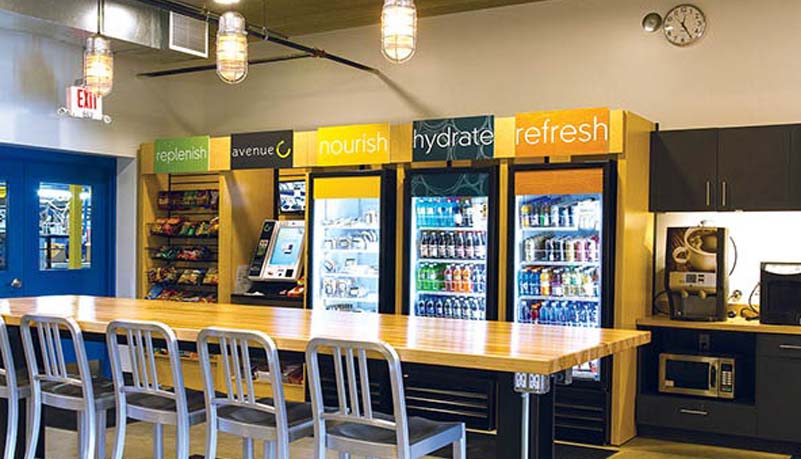
Many workplaces do not need to choose one format exclusively. A micro market may handle fresh meals and snacks while a beverage machine provides fast, secure drink access. Office coffee service can sit nearby as a separate employer-paid benefit.
Frequently asked questions
Does a micro market require more space?
Usually, because it includes coolers, shelving, checkout and customer circulation. Exact layouts vary.
Are vending machines better for public areas?
They are often easier to control in open-access areas because products remain secured until purchase.
Can a small workplace have a micro market?
Possibly, but product turnover and service economics need to support it. A compact market or traditional vending may be more practical.
Compare workplace vending equipment, review New Jersey service options or request micro-market and vending prices.