Office coffee service sounds simple until somebody has to keep it running. A brewer and a few boxes of coffee may be enough for a ten-person office, but the same setup can become a daily frustration in a busy workplace with two shifts. A good program starts with how people actually use the breakroom, then matches equipment, products and service frequency to that routine.
That is the part we encourage buyers to slow down and think through. The best-looking machine is not automatically the best service. If it creates a line at 8:30, runs out of cups every Wednesday or requires a cleaning routine nobody owns, the program is not doing its job.
Start with headcount, shifts and peak demand
Total employee count matters, but peak use matters more. Fifty people spread across three shifts behave differently from fifty people arriving between 8:00 and 9:00 each morning. Tell a prospective provider when the building is busiest, whether visitors use the coffee area and how often employees currently leave the building for coffee.
In New Jersey, we often think about this in practical commute terms. A Camden or Cherry Hill office with an early operations team may need coffee ready before the main office staff arrives. A Newark office near plenty of retail choices may care more about quality and speed because employees already have alternatives nearby. Those are application examples, not universal rules, but they show why a national one-size package rarely works.
Choose the brewing format before choosing flavors
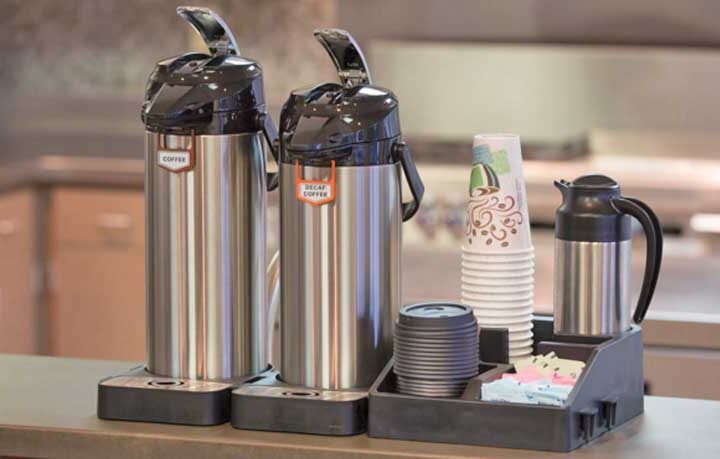
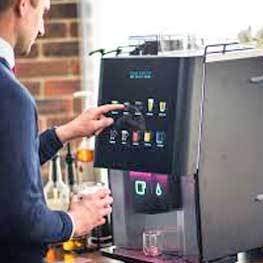
Traditional commercial batch brewers are efficient when many cups are needed quickly. They are familiar, easy to understand and can serve a morning rush well. Single-cup systems offer variety and reduce the problem of coffee sitting too long, but cost per serving and replenishment can be higher. Bean-to-cup machines grind and brew on demand, providing a café-style experience with more internal components to clean and maintain.
There is no automatic winner. A warehouse breakroom may value speed and durability. A client-facing professional office may put more weight on drink variety and presentation. Some workplaces use a batch brewer for the morning peak and a single-cup system for the rest of the day.
Products should reflect the people using them
Coffee is the center of the program, but it is not the whole program. Regular and decaf coffee, tea, sweeteners, creamers, cups, lids, stirrers and sometimes cocoa all affect satisfaction. Ask employees what they actually drink, then start with a controlled assortment. Too much variety can create slow-moving inventory and clutter; too little makes the service feel generic.
Dietary preferences and labeling matter too. Non-dairy options, unsweetened choices and clear product identification can make a modest program useful to more people without turning the counter into a grocery aisle.
Restocking and cleaning need clear ownership
A proposal should explain who checks inventory, who places orders, how deliveries are scheduled and what happens during an unexpected spike in use. The same applies to cleaning. Some equipment tasks are handled by the provider during service visits, while routine daily care remains with the workplace. Get that division in writing.
Do not assume “full service” means every cup, spill and rinse cycle is handled by someone else. Ask for the exact service scope, expected visit frequency and support process when equipment stops working. A dependable program is one where responsibilities are obvious before there is a problem.
Water quality and utilities affect the result
Coffee is mostly water, so taste and equipment condition can change with the building supply. Filtration may improve consistency and reduce scale depending on local conditions and equipment requirements. Confirm whether the machine needs a plumbed water connection, drain, dedicated electrical circuit or simply a standard outlet and refillable reservoir.
These details are especially important when planning a new breakroom. Moving a machine six feet after installation can be surprisingly inconvenient if plumbing and electrical service were built around the original spot.
How to compare office coffee service prices
Compare the complete delivered program: equipment, installation, coffee, accessories, filters, scheduled service, emergency support and any minimum purchase or contract requirements. A low equipment charge can be paired with higher product costs, while a bundled program may look expensive until supplies and service are normalized.
Ask each company to base its proposal on the same estimated monthly servings. Then look at cost per employee, not just cost per case. The point is not to chase the cheapest cup; it is to understand what the workplace receives and what your staff must manage.
Questions worth asking before signing
- Which brewing format fits our busiest thirty minutes?
- Who owns the equipment and who repairs it?
- What products and accessories are included?
- How are usage and replenishment adjusted?
- Which cleaning tasks belong to the provider and which belong to us?
- Are there minimum orders, delivery fees or contract terms?
- What happens when the machine is down?
Frequently asked questions
How many coffee machines does an office need?
It depends on peak demand, machine output, breakroom locations and shift pattern. A usage review is more reliable than a fixed employees-per-machine rule.
Is office coffee service available for small offices?
Yes, although equipment and delivery options may differ. A smaller office may be better served by a simple brewer and scheduled product delivery than a large managed system.
Can an office request specific coffee brands?
Often, but available brands and minimum quantities vary by provider. List must-have products before proposals are prepared.
Explore Vending National’s workplace refreshment services, review common service questions and compare office coffee service quotes for your location.