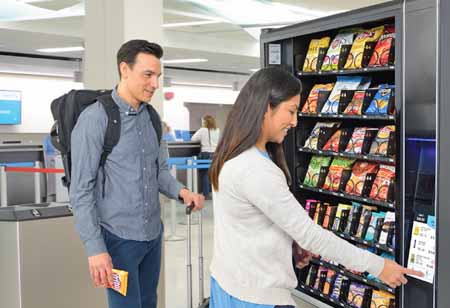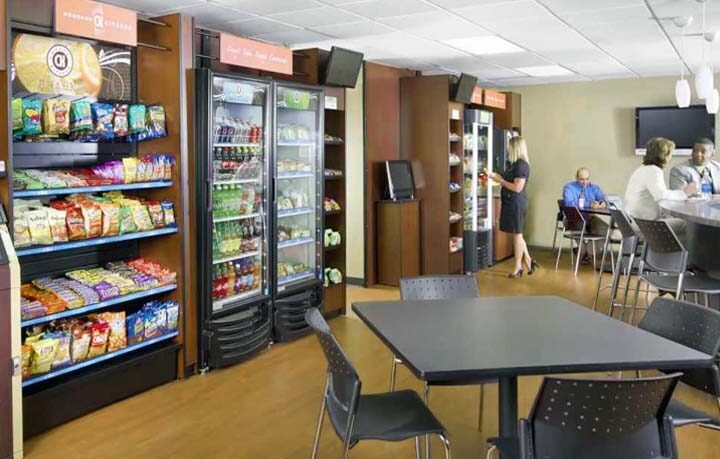
Fresh-food vending can turn a breakroom into a practical meal option, but it requires more than adding sandwiches to a snack machine. Refrigeration, product dating, sales volume and service frequency must support perishable inventory.
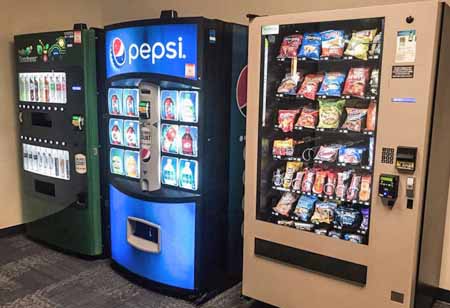
Traditional snack and drink machines are simpler and often fit smaller locations. The right choice depends on how many people rely on the breakroom for a meal rather than an occasional drink or snack.
Measure meal demand
Count employees by shift and note whether they can leave the property. Overnight crews and isolated facilities often depend more heavily on food access.
Ask what people currently bring, order or purchase nearby. Headcount alone does not prove that fresh meals will sell.
Plan refrigeration and food safety
Use equipment designed for perishable products with appropriate temperature controls and delivery safeguards. Clarify monitoring and response after a temperature alarm.
The provider should manage expiration dates and removal. Employees need confidence that every item is fresh and properly handled.
Account for waste and service frequency
Fresh food has a shorter selling window, so inaccurate forecasts create waste quickly. Frequent service and sales data help adjust quantities.
Ask who absorbs spoilage and how repeated waste affects prices or selection. A broad menu is not sustainable if most items expire.
Compare the employee experience
Snack and drink machines offer speed, familiar products and long shelf life. Fresh food adds meal value but may require microwaves, utensils and seating.
Some locations use both: traditional machines for high-volume staples and a controlled fresh selection for meals.
Questions to include in every proposal
- Attendance and meal demand by shift
- Refrigeration and temperature monitoring
- Expiration and spoilage responsibility
- Delivery frequency and weekend coverage
- Microwaves, utensils and seating
- Product prices and menu rotation
Frequently asked questions
How many employees support fresh-food vending?
There is no universal threshold. Attendance, shifts, nearby food and expected purchases matter.
Who removes expired food?
The managed provider should rotate and remove it under a written service process.
Can fresh food be offered on weekends?
Yes when service and inventory planning support weekend demand.
Is a micro market better for fresh food?
It can offer more variety, but space, checkout, security and volume also need review.
Compare vending service prices using your shift and meal-demand information.