The right number of vending machines is not determined by one employees-per-machine formula. A 200-person office with hybrid attendance may need less capacity than a 120-person plant operating around the clock. Product mix, shift timing, walking distance and restocking access all change the answer.
Start with demand, then choose equipment. Adding machines without enough sales spreads inventory across more coils, increases service time and can create slow-moving products. Installing too little capacity causes lines, sellouts and employees deciding the breakroom is not worth visiting.
Use daily attendance, not payroll headcount
Count people who are physically present on a typical day and note the busiest day of the week. Include contractors, visitors and drivers if they can use the machines. For hybrid offices, a Tuesday peak may be more important than the weekly average.
Separate attendance by shift. Eighty people arriving at once create different demand from eighty people spread across sixteen hours. The busiest break period determines transaction speed and the chance of a line.
Define the product categories
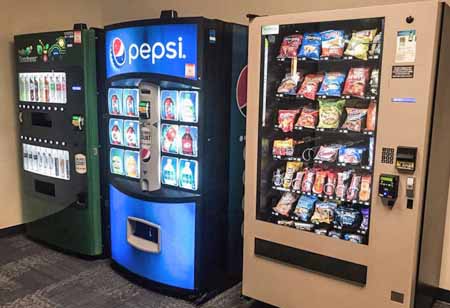
A snack-and-beverage combination machine can serve a smaller location efficiently. A larger workplace may benefit from separate snack and cold-drink machines because each provides more capacity and clearer merchandising. Fresh food usually requires dedicated refrigeration, faster turnover and stricter date management.
Hot drinks and water service should be considered alongside vending. If employees already have office coffee and filtered water, the beverage vending mix may shift toward soda, energy drinks and packaged specialties. Planning the whole breakroom prevents duplicated capacity.
Check walking distance and building layout
One large bank of machines can be efficient to service, but it may not serve a multi-floor office or long manufacturing building. Employees with short breaks will not walk several minutes each way. Sometimes two smaller stations outperform one oversized location.
Review delivery access, door width, elevators, electrical outlets, ventilation and service clearance. Machines need room for doors to open and technicians to work. Our vending machine placement guide covers the physical details.
Match capacity to service frequency
A high-capacity machine can reduce visits, but extra inventory is not automatically better. Perishable or slow-selling items still need rotation. Ask the provider how remote monitoring and route schedules are used to prevent sellouts without overfilling the machine.
Seasonality matters. Warehouses, schools, healthcare operations and production facilities can have predictable busy periods. Tell the provider about overtime, seasonal workers, major meetings or public access that changes demand.
When a micro market makes more sense
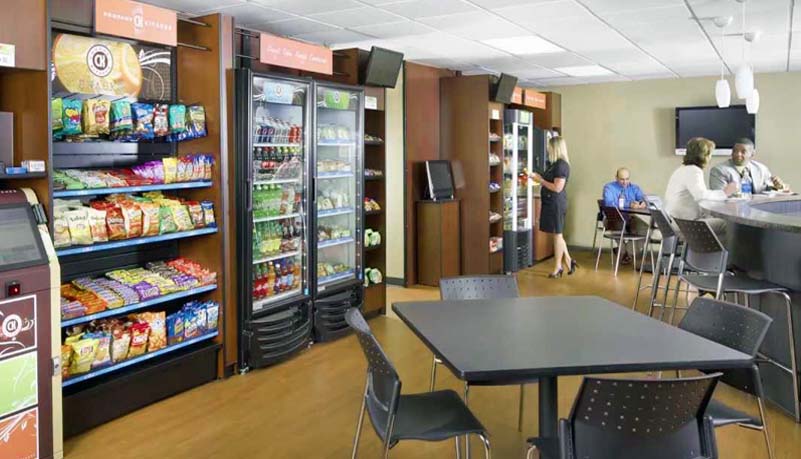
Once a workplace wants broad fresh-food selection, open shelving and many drink choices, adding more vending machines may be less efficient than a micro market. Markets require more floor area and a suitable security environment, but they can display more products and handle larger baskets.
Compare the formats based on space, population, operating hours and loss risk. Read our micro market versus vending machine comparison before expanding equipment by default.
Useful starting configurations
These are planning examples, not fixed rules. A smaller office may begin with one combination machine. A medium workplace may use separate snack and beverage machines. A large or multi-shift facility may add food, multiple payment points or stations in separate employee zones.
The provider should confirm the configuration after a site review. Ask how equipment can be adjusted after ninety days of real sales data. Flexibility is valuable because employee surveys rarely predict every purchase accurately.
Frequently asked questions
Can one combination machine serve an entire office?
It can serve some smaller workplaces, but capacity, selection and peak transaction speed must match actual use.
How much space should be left around a vending machine?
Follow the equipment specification and allow door, ventilation, loading and technician clearance. Confirm the exact model before final construction.
Should every floor have vending?
Not always. Consider walking time, break length, population and service efficiency. Several smaller stations may be justified in a large building.
Can machines be added later?
Usually, subject to space, utilities, sales and the service agreement. Discuss growth and relocation terms before installation.
To plan the right starting equipment instead of guessing, compare workplace vending machine options using your site layout and attendance by shift.