Most employers do not need a catalog price for a micro market. They need to know which operating model fits the headcount, schedule, security and space—and which costs or responsibilities remain with the workplace.
Start with daily buying opportunity
Headcount matters, but so do attendance, shifts, remote-work patterns, break length and nearby food. A 24-hour plant and a hybrid office with the same payroll can support very different programs. See current micro market prices.
Define the physical market
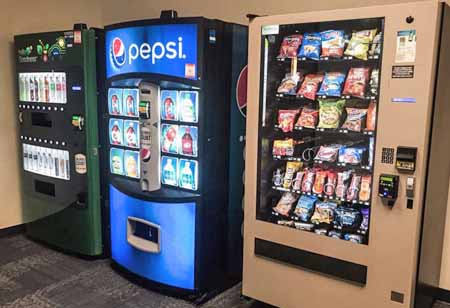
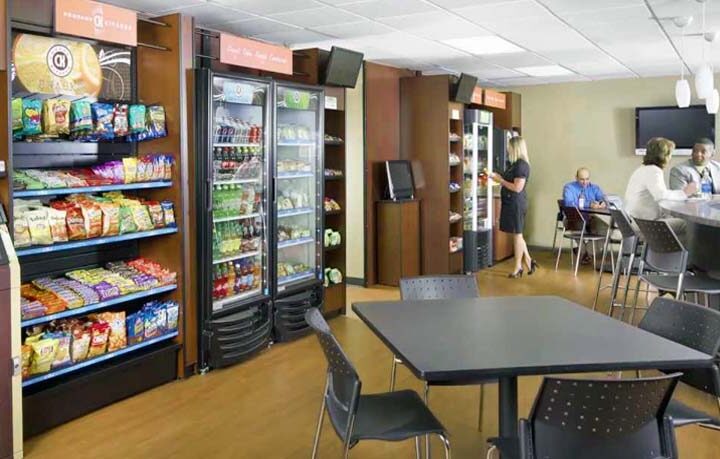
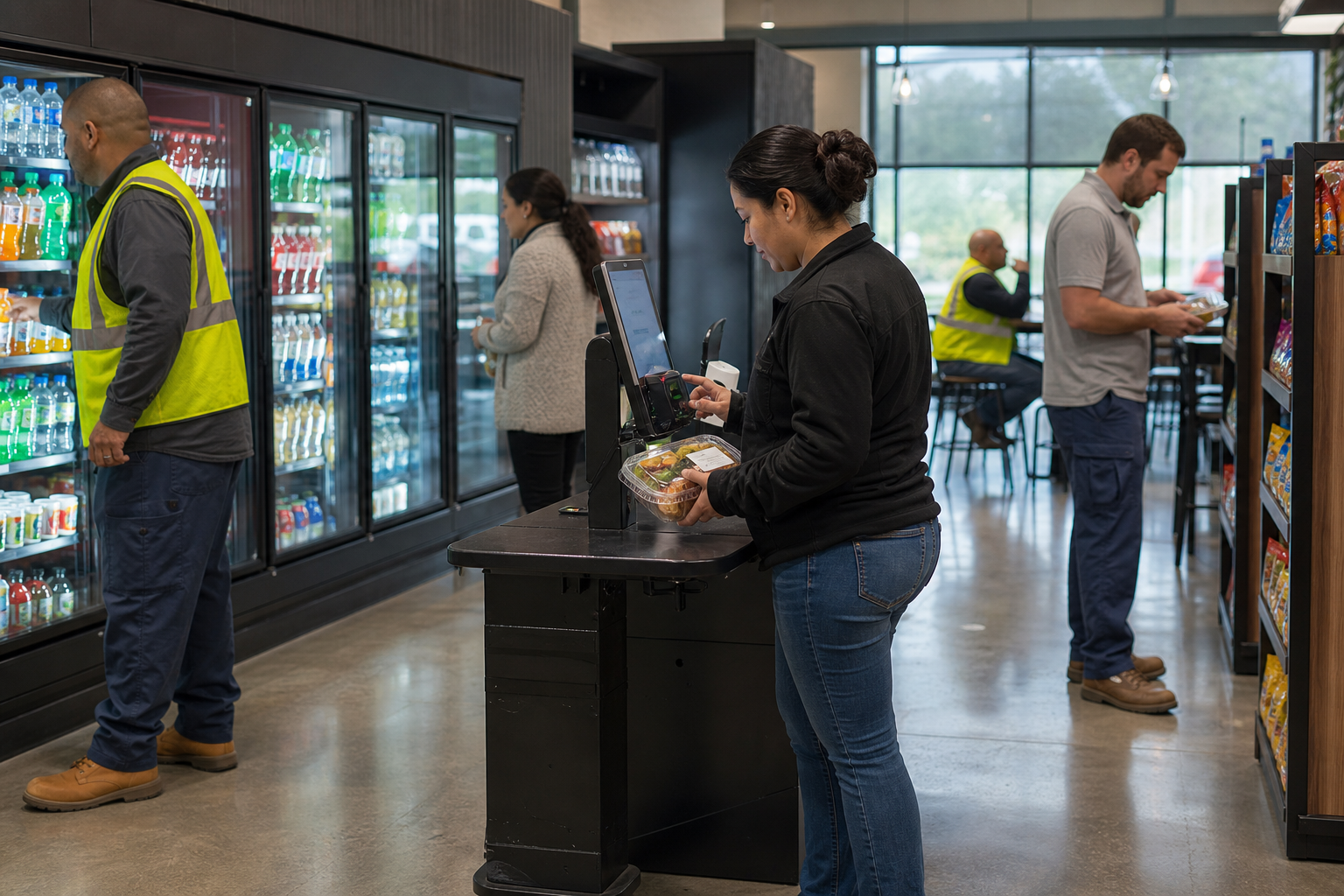
Plan coolers, freezers, shelving, kiosk, power, data, lighting and traffic. Confirm delivery access and where inventory can be staged. The best layout keeps checkout intuitive and does not block exits or work routes.
Compare service and subsidy models
Ask who owns equipment, sets prices, manages tax, absorbs spoilage, handles refunds and responds to outages. Employers may fund no subsidy, a limited credit or selected free products. Put responsibilities in writing.
Model product mix and controls
Use workforce preferences, dayparts and sales data. Balanced food, snacks and beverages usually require active rotation. Review broader office micro market service options before selecting equipment alone.
Ready to compare practical options? Share headcount, shifts, location and desired food program to compare realistic service models.
Frequently asked questions
How many employees are needed?
There is no universal minimum; attendance, shifts, access and purchasing behavior determine viability.
Does the employer have to buy the equipment?
Not always. Ownership depends on the provider and service agreement.
How is theft controlled?
Layout, cameras where appropriate, clear checkout, access patterns and workplace communication all play a role.