Bean-to-cup machines get attention because they grind coffee and prepare drinks on demand. Traditional batch brewers keep earning their place because they can serve many people quickly with familiar equipment. Single-cup systems sit between those approaches in several ways. The best office coffee system is the one that handles the busiest part of the day without creating more cleaning or cost than the workplace wants to manage.
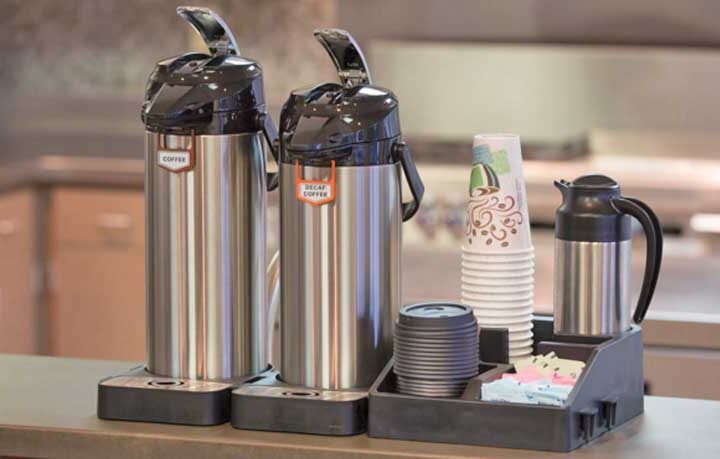
Batch brewing is built for volume
A commercial batch brewer can prepare a full pot or insulated server before a shift or meeting begins. That makes it efficient for a concentrated morning rush. It also keeps the process simple: coffee, filters, brewer and serving vessels. The risk is coffee sitting too long when demand is unpredictable, so batch size and brewing schedule matter.
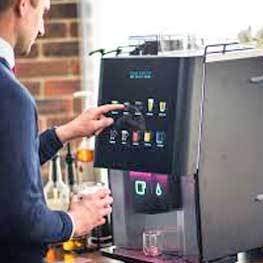
Bean-to-cup prioritizes freshness and variety
Grinding for each drink can improve freshness and allow employees to select coffee styles from one machine. Some systems include milk powder, cocoa or other soluble ingredients. That variety is valuable in client-facing offices and workplaces using coffee as an employee amenity.
The tradeoff is internal complexity. Hoppers, mixing components and waste containers require routine attention. A machine that is not cleaned as directed will not deliver a café experience for long. Ask for the daily, weekly and provider-performed cleaning tasks before choosing it.
Single-cup systems offer controlled choice
Pod, capsule or packet systems make it easy to offer regular, decaf, tea and flavored choices without an open bag of grounds. They can work well where demand is spread through the day. The per-serving product cost and packaging volume should be included in the comparison.
Measure the peak, not the average
A machine that produces one drink at a time may be perfectly adequate for 75 employees with staggered schedules and frustrating for 30 employees whose break begins simultaneously. Time a realistic drink cycle and estimate the line during the busiest fifteen minutes.
For a New Jersey operation with early warehouse and later office shifts, a combined approach can work: batch coffee for the shift change and a single-cup or bean-to-cup station during quieter hours.
Water, beans and settings matter as much as the machine
A premium brewer cannot compensate for stale beans, unsuitable grind settings or poor water. Ask how products are stored, how the machine is calibrated and whether filtration is recommended for the building. Small adjustments to dose and cup size can change taste and cost per serving.
Bean-to-cup systems also create grounds or internal waste that must be emptied. Locate the machine near a practical cleaning area and make the daily routine part of somebody’s job. If that is unrealistic, a simpler system may deliver more consistent results despite offering fewer choices.
Consider meetings, visitors and after-hours use
An office may need to serve a conference room quickly while still giving employees individual choices. Batch brewing works well for meetings; single-cup equipment reduces waste during quiet periods. A facility operating after reception closes may value straightforward self-service and clearly organized refill storage more than a complicated menu.
Compare the entire service program
Equipment price is only one line. Include coffee, accessories, filters, cleaning products, water treatment, delivery, scheduled service, repairs and staff time. Confirm ownership and contract terms. If the machine is provided with product purchases, ask about minimum orders and what happens if attendance changes.
Compare monthly servings using the same assumptions. One proposal may include cups and condiments while another lists only coffee. Normalize those differences before calculating cost per drink, and ask how product-price changes are communicated.
Use the broader guide to what office coffee service includes to normalize proposals.
Frequently asked questions
Does bean-to-cup coffee always taste better?
Fresh grinding can help, but bean quality, water, settings, cleaning and employee preferences still determine the result.
Which brewer is easiest to maintain?
Traditional brewers are generally simpler, though every system requires cleaning. Ask for the exact routine rather than assuming.
Can one office use two brewing formats?
Yes. A hybrid setup can serve high-volume peaks while preserving variety later in the day.
For local planning, review coffee service for New Jersey offices, then compare office coffee equipment and service prices.