Office coffee service in New Jersey has to fit the workday, not just the breakroom counter. A professional office in Cherry Hill, a distribution operation near the Turnpike and a medical workplace in Newark may have similar headcounts but completely different coffee patterns. The useful starting point is when people arrive, how long their breaks are and what happens when the machine cannot keep up.
Vending National serves workplaces nationally from Camden, but New Jersey is our home market. That local perspective makes one point especially clear: density and convenience raise expectations. Employees who pass several coffee shops on the way to work notice when workplace coffee is slow, stale or routinely out of supplies.
Map the morning before selecting equipment
Write down arrivals in thirty-minute blocks. Include early warehouse teams, office staff, field employees returning to the building and visitors. A 100-person office with flexible arrivals may work well with two single-cup stations. A 60-person operation whose shift starts at 7:00 may need a fast batch brewer or multiple serving points.
Location inside the building matters too. One beautiful coffee station on another floor will not solve the needs of a team with short breaks. Sometimes a main café-style station plus a simpler satellite brewer is more practical than one oversized machine.
Match drink choice to the workplace
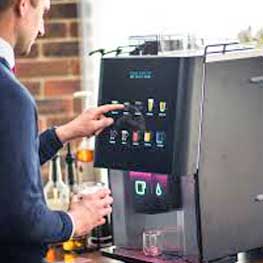
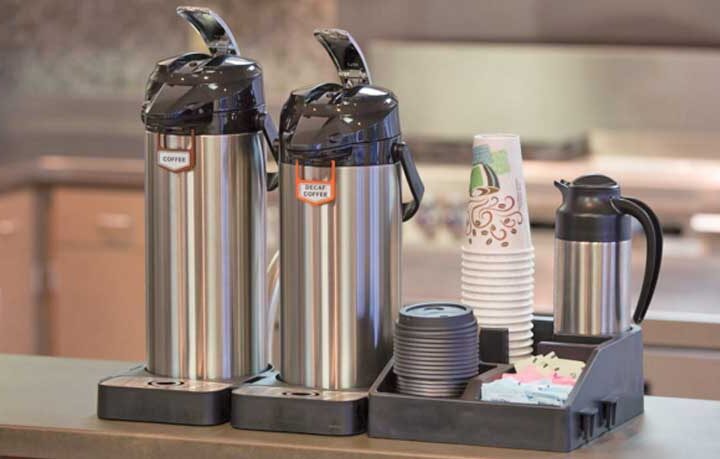
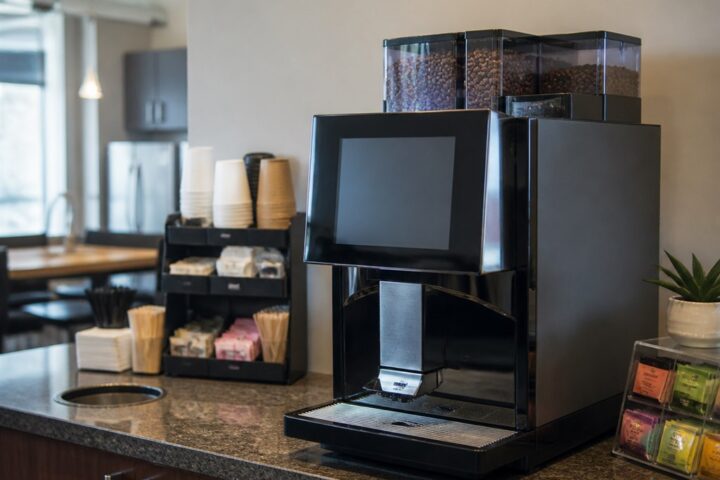
Start with dependable regular coffee and decaf, then add tea, flavored options or specialty drinks based on demand. Bean-to-cup equipment can be a strong fit for workplaces competing on employee experience, but it needs proper cleaning and enough throughput for peak periods. Traditional brewers remain hard to beat when speed and simplicity matter.
Do not confuse more buttons with a better program. Employees usually prefer a smaller selection that is fresh and consistently stocked over a large menu where half the choices are unavailable.
Plan for New Jersey water and building conditions
Water taste and mineral content can vary by municipality and building system. The provider should evaluate filtration and follow the equipment manufacturer’s requirements. In older properties, confirm water access, drainage and electrical capacity before selecting a plumbed machine.
Camden and Trenton buildings may include converted or older spaces where the most convenient counter was never designed for commercial beverage equipment. In newer Mount Laurel or Jersey City offices, the issue may be shared tenant space and permission for plumbing changes. Either way, a short site review is cheaper than changing equipment after installation.
Service frequency should follow consumption
Restocking every two weeks is not a benefit if the office runs out after six days. Conversely, frequent deliveries to a small location can add cost and storage pressure. Ask how the provider adjusts par levels after the first month and how seasonal attendance changes are handled.
Hybrid work makes this especially important. Tuesday through Thursday demand may be much higher than Monday and Friday. Give providers real attendance patterns rather than the maximum number of people assigned to the office.
Compare the complete program
Normalize equipment, products, accessories, filters, delivery, scheduled maintenance, emergency service and contract terms. Ask whether equipment is rented, loaned with product purchases or purchased outright. Clarify minimum orders and what happens when usage falls.
A proposal should also identify who cleans which components. Daily rinsing and surface cleaning may belong to office staff even when technical service is included. If your team will not reliably perform those tasks, choose equipment and a service arrangement that reflect that reality.
Regional support still matters in a national program
Companies with multiple locations often want consistent standards while allowing regional product differences. A New Jersey headquarters might select the overall equipment class and reporting requirements, then let offices in other states adjust coffee brands or service frequency. That balance avoids creating a rigid national program that works well only at the largest location.
For New Jersey locations, review the provider’s coverage for statewide workplace vending and refreshment service and discuss how service is handled in your specific market, whether that is Camden, Newark, Jersey City or another community.
Frequently asked questions
How quickly can New Jersey office coffee service begin?
Timing depends on equipment availability, utilities, site access and product selection. Ask for a written schedule after the location and requirements are reviewed.
Can coffee service cover multiple New Jersey offices?
Yes. Provide each location’s headcount and usage because equipment and delivery frequency may differ even under one program.
Should hybrid offices size coffee service for total employees?
Usually not by that number alone. Size around actual peak attendance and busiest consumption periods.
Use the broader national service map for multi-location planning, or request New Jersey office coffee service prices based on your team’s real workday.