The best commercial coffee machine for an office is the one that serves the busiest part of the day reliably and fits the amount of cleaning the workplace is prepared to manage. A beautiful touchscreen does not help if a line forms every morning, the milk system is neglected or nobody knows who replaces the filter.
Before comparing brands or models, document daily attendance, coffee drinkers, peak demand, desired drinks, available plumbing and who will perform routine care. Equipment selection becomes much easier when those operating facts are clear.
Traditional batch brewers
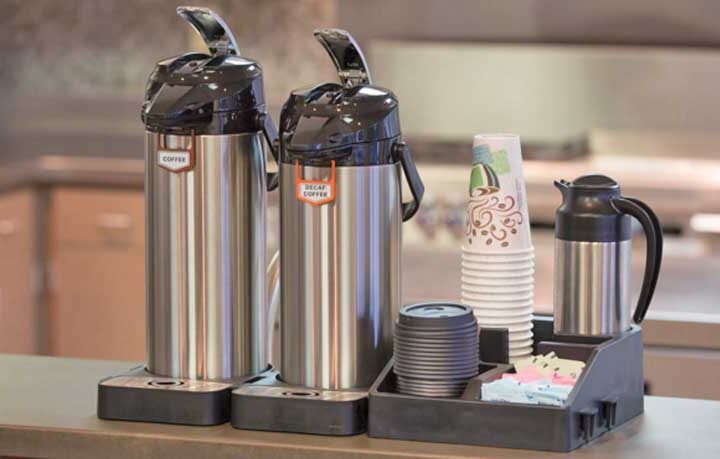
Batch brewers remain a strong choice for workplaces that need many cups quickly. They are familiar, relatively simple and efficient during a concentrated morning rush. Thermal servers can hold coffee without a warming plate, although flavor still declines with time.
The main planning risk is waste. Brewing too much creates stale coffee and higher product use; brewing too little creates repeated cycles and lines. Assign someone to understand batch size and peak timing.
Single-cup systems
Single-cup brewers prepare one drink at a time from pods, cartridges or packets. They offer variety and reduce leftover pots. They suit offices where employees arrive throughout the day or value individual choices.
Compare brew time, portion cost, packaging waste and product availability. A machine that takes more than a minute per drink can become frustrating when ten people arrive together. Some systems also limit the brands available through the service provider.
Bean-to-cup machines
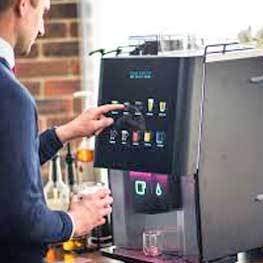
Bean-to-cup equipment stores whole beans, grinds them and brews on demand. Depending on the model, it may offer espresso-style drinks, multiple beans, powdered milk or fresh-milk systems. The appeal is freshness and a café-like menu.
Complexity is the tradeoff. Internal brew groups, grinders and milk components require care. Ask for the daily cleaning sequence, time required, automatic rinse behavior and technical-service plan. Do not select a fresh-milk machine until cleaning responsibility is unquestionably assigned.
Peak output is more important than average use
Providers should size equipment for the busiest thirty minutes, not just total cups per day. Ask how many drinks the proposed model can produce during that window and whether employees will queue for specialty selections.
Some workplaces use two complementary systems: batch brewing for the morning surge and single-cup or bean-to-cup equipment for later variety. Redundancy also keeps coffee available during cleaning or service.
Water, power and counter space
Confirm electrical requirements, outlet location, counter depth, overhead clearance and service access. Plumbed equipment needs a suitable water line, shutoff and protected tubing route. Reservoir machines require someone to refill them safely and often enough.
Water affects taste and scale. Ask what filtration the manufacturer recommends and who changes filters. If the workplace is also evaluating hydration, coordinate with the office water service plan rather than installing unrelated systems without reviewing the same source water.
Products, serving sizes and cost
Compare cost using the same cup size and drink menu. Espresso-style drinks may use coffee, milk product and flavor ingredients in one selection. Batch proposals may exclude cups and condiments. Normalize products, supplies, filters and service before calculating cost per serving.
Brand recognition matters, but freshness, machine calibration and water quality can matter just as much. Ask for a tasting using the actual proposed equipment when practical.
Cleaning and support
Write down daily, weekly and provider-level maintenance. Identify who empties grounds, rinses mixers, cleans drip trays and wipes touch surfaces. Ask how the machine signals cleaning and whether it locks out when care is overdue.
Technical support should include a clear contact method, response expectation and parts policy. For critical locations, ask whether a temporary brewer can be supplied during an extended repair.
A practical equipment checklist
- Actual attendance and coffee drinkers by shift
- Peak drinks required in thirty minutes
- Batch, single-cup or bean-to-cup preference
- Regular, decaf and specialty-drink requirements
- Water connection, filtration and electrical service
- Counter dimensions and technician access
- Daily cleaning owner and available labor
- Service response, warranty and replacement plan
Frequently asked questions
What coffee machine is best for 50 employees?
There is no fixed answer. Peak timing and drink preferences determine whether batch, single-cup, bean-to-cup or a combination works best.
Do commercial coffee machines need plumbing?
Some connect to a water line; others use refillable reservoirs. Plumbed systems reduce refilling but require proper installation and filtration.
How often should an office coffee machine be cleaned?
Follow the manufacturer and provider schedule. Some tasks are daily, while technical cleaning and filter changes occur less often.
Can we try the coffee before choosing?
Often. Ask whether samples or a demonstration using the proposed equipment and products are available.
Compare commercial machines as part of a supported office coffee service program, not as isolated countertop hardware.