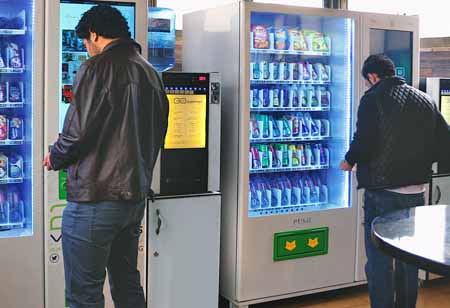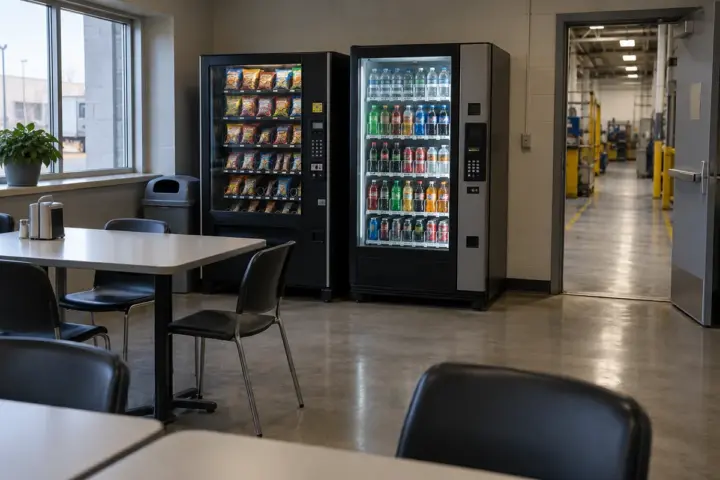
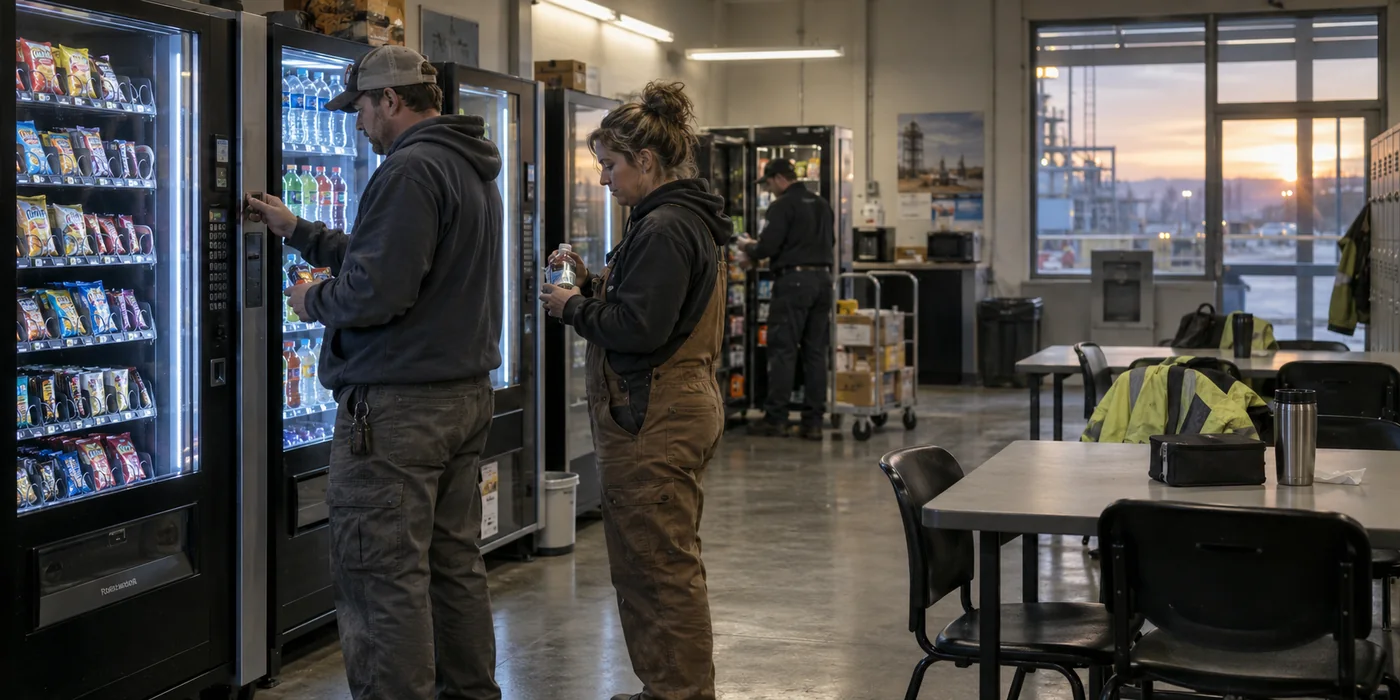
A 24-hour operation needs more than machines delivered to a break room. It needs a full-service vending plan that accounts for overnight demand, shift changes, restocking access and service response. The right arrangement keeps products available when the building is busiest, not only during a daytime office schedule.
Build the vending plan around actual shift traffic
Start with the number of people physically present during each shift. A plant may have a large total headcount but a smaller overnight crew. A distribution center may see its biggest break-room rush shortly before loading begins. Give prospective providers shift start times, scheduled breaks, visitor traffic and seasonal peaks so they can recommend realistic equipment and product capacity.
Also explain whether employees can leave the property during breaks. Short breaks and limited nearby food options can increase on-site demand. Those facts help a provider estimate product mix and replenishment frequency without assuming that every employee buys every day.
Ask how restocking works after normal business hours
A strong service proposal should identify who monitors inventory, how often routes are adjusted and what happens when a popular item sells out early. Remote inventory data can help, but it doesn’t replace a clear local service process. Ask whether the provider can restock without disrupting production and whether an authorized contact must be present.
- List the busiest breaks for every shift.
- Identify secure delivery entrances and access hours.
- Note products that need refrigerated capacity.
- Set one workplace contact for service issues.
- Confirm how refunds and payment problems are handled.
The vending service FAQs offer a practical starting point for questions about equipment, products and workplace qualification.
Match refreshments to the people using them
Overnight teams shouldn’t receive only the leftovers from daytime demand. Ask how the provider reviews sales by product and location, rotates slower items and adds options employees actually request. For a broader break-room program, compare whether office coffee service or workplace water service should complement the vending setup.
What should be written into the service agreement?
Document restocking expectations, equipment ownership, routine maintenance, repair response, product-pricing decisions and any minimum-sales or employer-subsidy terms. Ask what changes if attendance falls or another shift is added. Clear terms make it easier to judge whether the service can grow with the operation.
Coverage varies by market and facility size, so check the provider’s vending service areas before planning installation. Then request workplace vending prices using real shift counts, access details and break patterns. That gives providers enough information to return an arrangement built for the full day rather than a generic nine-to-five office.