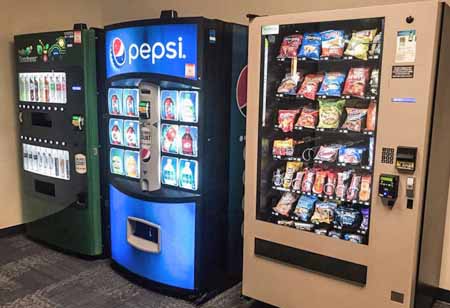
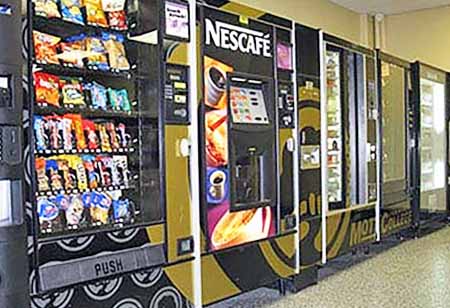
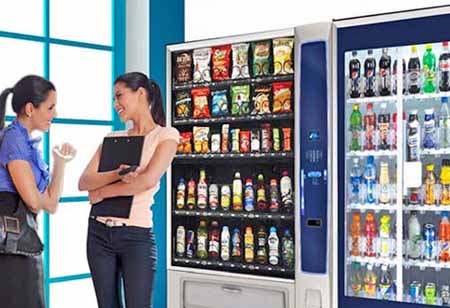
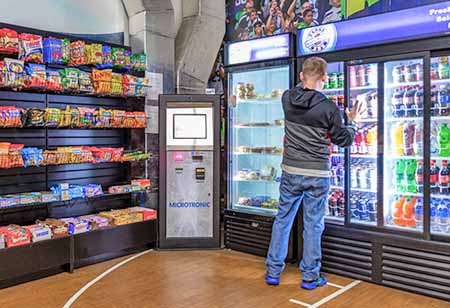
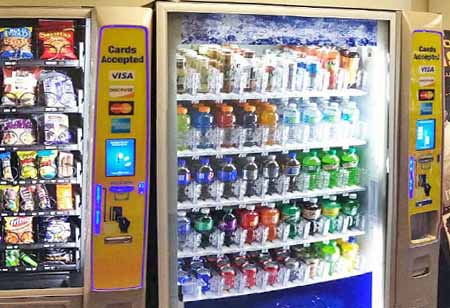
A vending program in Seattle should reflect the people using it, the hours they work and the space available for equipment. VendingNational helps hotels, apartment communities and shared workspaces evaluate drink vending machines, snack equipment, fresh food options and micro market layouts without forcing every location into the same package. The best mix combines familiar beverages with convenient food choices and a clean, attractive presentation that fits the property.
Local planning starts with a walk-through of the breakroom or public area. We consider foot traffic, electrical access, machine width, product temperature, payment preferences and the amount of inventory a site can hold. In downtown employers around Seattle, those details can change from one building to the next. That is why a quote should explain the recommended machine mix, stocking schedule, service coverage and any installation requirements in plain language.
Whether you need a single snack machine, a drink-and-food combination, healthy vending or a full micro market, the goal is a clean installation that stays useful after the first week. Compare vending machine options and request pricing for a program built around your workplace. VendingNational serves businesses nationwide while keeping the conversation focused on the actual market and workplace.
Compare workplace vending service in Seattle, WA for snacks, cold drinks, fresh food, coffee and micro markets. Compare full-service vending companies that install their machines, keep them stocked and handle maintenance. Match the service to workplace traffic, product preferences, payment methods and local provider coverage.
Request Prices Check Prices
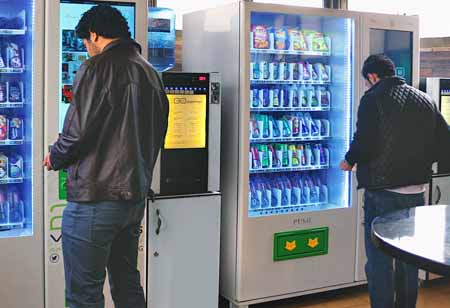
A useful vending service comparison starts with the workplace itself: headcount, shifts, daily traffic, breakroom space, power access and the preferred mix of drinks, snacks, fresh food or coffee. Seattle businesses can compare traditional vending machines, refrigerated equipment and micro markets without assuming that one arrangement fits every location. Many current machines can support cash, cards and mobile wallets such as Apple Pay or Samsung Pay; payment hardware, processing fees and available features should be confirmed in the proposal.
Full-service vending may include equipment, stocking and maintenance without a separate equipment charge when the location meets the provider's traffic and sales requirements. Ask a local vending provider to assess your workplace and explain its service requirements. Compare product mix, restocking frequency, service responsibility, pricing and contract terms, then confirm supplier coverage and equipment availability for the delivery ZIP code.
Compare product freshness, restocking frequency, machine maintenance, refund handling, payment options and response procedures. Confirm which equipment and products are included, who pays for utilities or site work, how prices can change and what happens if sales are lower than expected. Every promise should appear in the written agreement.
Get Your Price Now!A vending provider brings in and installs its machines at your workplace. Confirm placement and installation timing with your chosen provider.
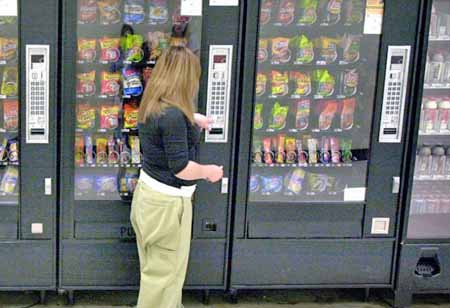
Compare full-service vending proposals for your workplace. Review the product mix, stocking schedule, maintenance and service terms included in each quote.
Give your team convenient ways to pay for snacks and drinks. Ask your vending provider about card and mobile wallet options.
Your provider supplies the machines, keeps them stocked and handles maintenance. Enjoy workplace vending without managing inventory or machine upkeep.
Find full-service vending providers serving your ZIP code. Compare companies that install their machines and handle ongoing stocking and maintenance.
Share your workplace size, location and product preferences. Get connected with vending providers to discuss a service that fits your team.
Some of the most common questions about our Seattle, WA vending services.
Cost depends on the program. Qualifying full-service locations may receive equipment, stocking and maintenance without a separate equipment charge because product sales support the service. Ask the provider to confirm whether your workplace qualifies and whether an employer subsidy or service fee applies. Compare product prices, employer costs, delivery, service frequency and contract terms for the actual location.
Timing varies with equipment availability, product selection, site access, electrical or data work and provider scheduling. Ask for a realistic installation window after the workplace requirements and delivery route have been reviewed.
Electricity use varies by machine type, age, refrigeration, lighting, settings and room temperature. Ask for the proposed model's energy information and multiply its expected use by the local utility rate. Confirm who is responsible for the electrical outlet and operating cost.
Your full-service vending company places its machines, stocks products and handles maintenance. Compare restocking frequency, product rotation, cleaning and repair response so your workplace receives dependable service.
Product selection depends on the provider, equipment and program. Ask how much input the workplace receives, which core products are required, how requests are handled and how slow-selling items are replaced.
On-site vending gives employees and visitors convenient access to drinks, snacks or meals without leaving the property. The value depends on product fit, reliable stocking, fair pricing, clean equipment and responsive service.
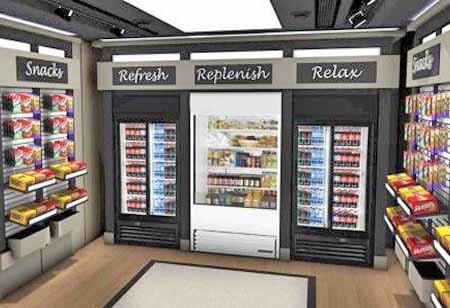
A micro market is an unattended retail area with open coolers, shelving and a self-checkout kiosk. It can provide more product variety than traditional vending but needs suitable space, traffic, connectivity, stocking and security controls.
Providers usually review staffing, shifts, traffic, available space, doorway and delivery access, power, connectivity and security. Qualification and site requirements vary, so confirm them before committing to equipment.
Yes. Available choices may include water, lower-sugar drinks, nuts, bars, yogurt, salads, sandwiches and other fresh items. Confirm local product availability, refrigeration, restocking and expiration procedures.
Some programs allow the employer to cover all or part of the product cost. Ask how subsidies are funded, tracked and adjusted, which items qualify and whether minimum volumes or service fees apply.
Compare local full-service providers that bring in their snack machines, replenish products and handle maintenance. Availability depends on your location, daily usage and the provider's service requirements.
Choose a visible, convenient area with safe access, adequate power and enough room for doors, service and restocking. Consider employee traffic, delivery access, heat, moisture, emergency routes and any workplace accessibility or safety requirements.
Depending on the machine and payment hardware, options may include coins, cash, credit or debit cards and mobile wallets such as Apple Pay or Samsung Pay. Confirm supported methods, connectivity and processing fees.
Restocking frequency depends on traffic, sales, product shelf life and machine capacity. Fresh food usually needs closer monitoring than shelf-stable snacks. Ask how the provider tracks inventory, rotates products and responds to sellouts.