
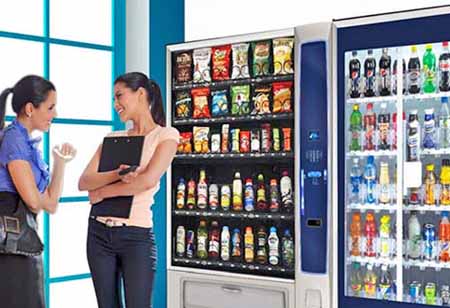
Healthy vending fails when it is treated as a replacement exercise: remove everything familiar, fill the machine with products selected by committee and hope employees adapt. A useful program is built around choice. It makes better options easy to find while keeping enough familiar products that employees continue using the breakroom.
Define what “healthy” means for the workplace
Lower sugar, higher protein, smaller portions, whole grains, fresh fruit and simple ingredient lists can all be priorities. They are not identical. Decide whether the goal is broader choice, a formal nutrition standard or support for a company wellness initiative. That definition helps providers select products and label them consistently.
Use purchasing behavior, not assumptions
Survey employees for direction, then watch what sells. People may request salads and still purchase nuts, protein bars or sparkling water more often. That is not failure; it is useful information. Adjust the mix in small steps and compare sales over several service cycles.
New Jersey offices with hybrid attendance should pay attention to day-of-week patterns. Fresh food that sells on a busy Wednesday may linger through a quiet Friday. Par levels should follow attendance rather than being identical every day.
Placement and presentation change selection
Put better options where they are easy to see. In a glass-front machine, eye-level spirals matter. In a micro market, cooler organization, shelf labels and lighting affect the decision. Healthy products should not be scattered in corners or grouped under messaging that makes them feel medicinal.
Freshness is part of health
Fresh sandwiches, yogurt, fruit and salads require refrigeration, date control and enough turnover. A smaller fresh selection that is consistently rotated is better than a large display employees learn not to trust. Ask who checks dates, how temperature problems are handled and what happens to unsold inventory.
Price can undo a well-intended program
If healthier choices cost substantially more than conventional snacks, employees may ignore them. Employers can subsidize selected items, offer a monthly benefit or accept a smaller price difference across the whole assortment. Whatever approach is used should be simple at checkout and understandable to employees.
Watch portion size as well as sticker price. A larger package can look expensive while offering better value than a small specialty item. Shelf labels should make choices clear without turning the breakroom into a nutrition lecture.
Keep dependable favorites
A balanced program might include water, unsweetened drinks, nuts, trail mix, protein snacks and fresh items alongside familiar chips and sweets. Product data can gradually shift the ratio. The goal is a breakroom people use more thoughtfully, not a machine that meets a policy and sits untouched.
Build the change in stages
Start by reserving a visible part of the machine or market for better choices. Measure sales and collect short, specific feedback: which products should stay, which should leave and what is missing? After several stocking cycles, expand the winners and remove items that repeatedly expire.
For multi-shift workplaces, review results by time of day when reporting allows it. Night-shift employees may want more substantial food while daytime office staff purchase beverages and lighter snacks. One assortment can serve both groups, but quantities may need to differ.
Coordinate coffee, water and vending
A healthy breakroom is a complete environment. Easy access to water, unsweetened coffee and tea complements better food choices. Treat office coffee service and vending as related parts of the employee experience rather than separate purchasing projects.
Frequently asked questions
Do healthy vending products expire faster?
Some fresh and minimally processed products do, while many packaged alternatives have longer shelf lives. Stocking frequency should match each item.
Can employers subsidize only healthier products?
Some payment systems can support targeted subsidies. Confirm capabilities and reporting with the provider.
How often should the mix change?
Review it regularly, but avoid changing so quickly that there is not enough sales data to judge demand.
Compare micro markets and vending machines, explore workplace vending options and request a healthier vending program.
