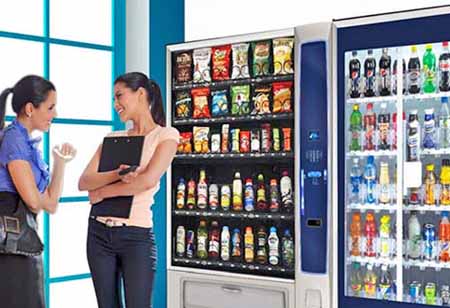

The best vending assortment is not the one with the longest product list. It is the one that fits what people need at the time they reach the machine. A day-shift office, a three-shift distribution center and a medical facility open all night can have the same headcount and completely different buying patterns.
We see better results when employers share attendance by shift, break timing and nearby food access before the machines are stocked. That information helps the operator plan useful choices instead of filling every spiral with a familiar snack and hoping for the best.
Start with the workday employees actually have
Payroll headcount can be misleading. Hybrid employees may visit twice a week, while a production crew may be on site for every scheduled shift. Record typical attendance, shift start times, paid break length and whether teams leave the property for meals.
Also note when the cafeteria, nearby stores or delivery options close. Night employees often rely more heavily on vending because alternatives disappear after business hours. That can justify heartier food, larger beverages and more dependable service late in the week.
Match products to the time of day
Early shifts usually need coffee-adjacent items, breakfast bars, pastries, juice and bottled water. Midday demand may move toward sandwiches, protein snacks and cold drinks. Overnight teams often value filling items that travel well and do not require a long preparation process.
This does not mean assigning rigid menus to each shift. Use these patterns to create the opening mix, then let sales data correct assumptions. A South Jersey warehouse may sell more energy drinks than expected, while a nearby office may consistently choose sparkling water and nuts. The location tells you more than a national bestseller list.
Balance familiar brands with useful variety
Recognizable products earn trust, especially during a new launch. Keep core favorites while reserving some selections for healthier snacks, regional preferences and rotating items. Too much variety can create slow sellers and expired inventory; too little makes the program feel neglected.
Use clear labels and place healthier items where they are easy to see. Employees should not have to search the bottom row for lower-sugar drinks or higher-protein snacks. If the employer subsidizes certain choices, make the pricing difference obvious at the machine.
Size the plan around replenishment
A strong product list still fails when fast sellers are empty before the next visit. Ask how the provider uses sales reporting and remote inventory data. High-volume shifts may require larger facings, additional machine capacity or a different service schedule.
Review out-of-stock patterns separately from total sales. A product with modest weekly sales may actually sell out every Tuesday and remain empty for three days. That is a service or capacity problem, not proof that demand is low.
Use a structured review after launch
Give the opening assortment several normal weeks unless there is an obvious issue. Holidays, shutdowns and unusual overtime can distort early results. At the review, look at sales, expired products, refund reports and employee feedback together.
- Keep reliable sellers with acceptable freshness
- Increase capacity for repeated sellouts
- Replace slow items with a specific alternative
- Review prices when similar products perform differently
- Adjust service days around actual peak demand
Frequently asked questions
How many healthy products should a vending machine carry?
There is no universal percentage. Start with meaningful choices in several categories and expand the items employees repeatedly purchase.
Should every shift receive the same products?
The machine is shared, but capacity and replenishment should reflect when demand occurs. Some products may be stocked more heavily because one shift relies on them.
How often should the product mix change?
Review it after launch and seasonally, with smaller adjustments based on sales and expiration data. Constant changes make performance harder to judge.
Can employers request specific brands?
Usually. Availability, package size, wholesale cost and sales volume affect whether a specific item is practical.
Share your shifts and breakroom goals when requesting workplace vending prices so providers can quote a program built for real usage.